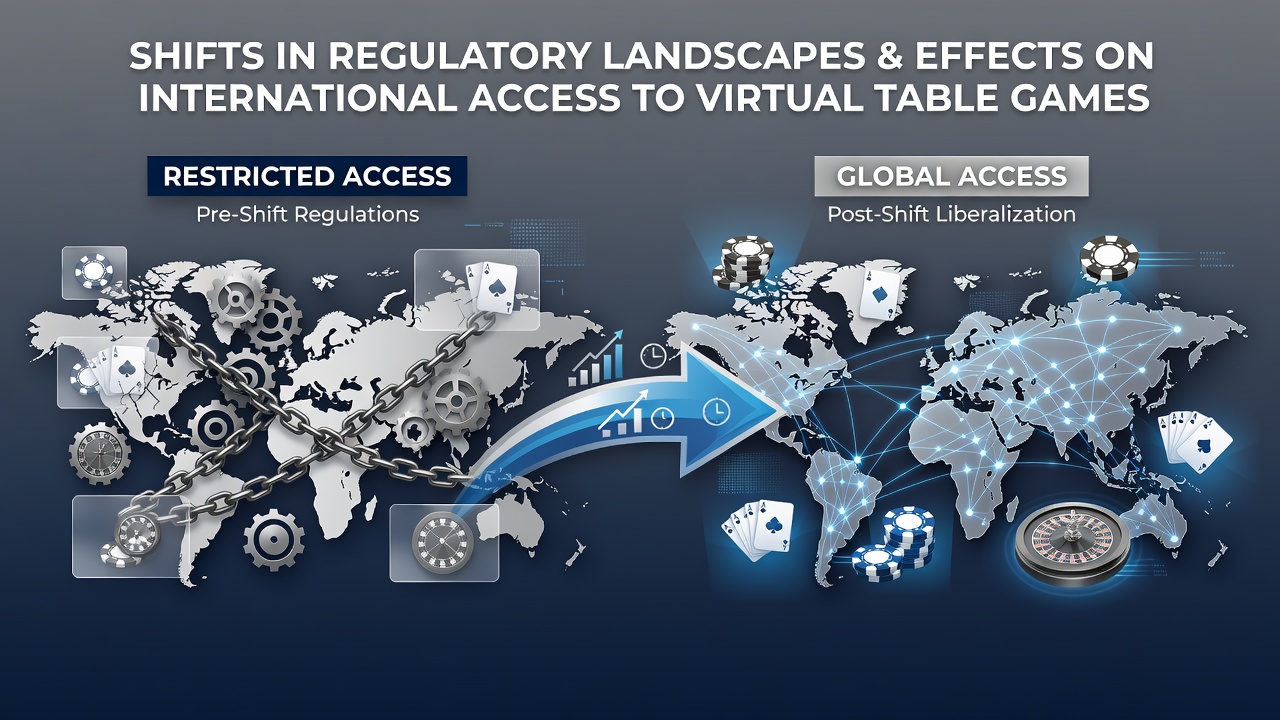
Regulatory Changes Transform International Reach of Virtual Table Games
Virtual table games such as online blackjack, poker variants, and roulette have faced evolving rules across multiple jurisdictions in recent years, and observers note that these adjustments directly influence where operators can offer services and how players gain entry. Data from industry reports shows that licensing requirements tightened in several regions between 2024 and 2026, creating new barriers while opening pathways in others. Those tracking the sector point out that cross-border access often depends on whether platforms secure local approvals or face outright restrictions on international traffic.
Key Shifts Across Major Markets
European nations updated frameworks under broader digital service directives, and figures reveal that member states implemented stricter age verification alongside transaction monitoring rules by early 2025. Meanwhile, Australian authorities expanded oversight through the Australian Communications and Media Authority, requiring foreign operators to comply with local advertising standards before serving residents. In North America, Canadian provinces advanced their own licensing models, with Ontario's system serving as a template that other regions examined closely for revenue generation and player protection measures.
Asia presented a mixed picture where some markets like Singapore maintained tight controls on virtual offerings, whereas neighboring countries explored pilot programs for regulated access. Research indicates that these variations stem from differing priorities around taxation, consumer safeguards, and competition with land-based venues. Experts have observed that operators responded by segmenting their platforms, routing users through geo-specific servers to meet compliance demands.
Impact on Player Access and Operations
Players encountered more frequent geo-blocks and account verification steps as regulators enforced location-based rules, and studies found that this led to increased use of licensed domestic sites in compliant areas. International users sometimes turned to multi-jurisdictional platforms that hold multiple licenses, though these arrangements require ongoing audits to remain valid. Data shows participation rates stabilized in regions with clear frameworks, while unregulated markets saw declines in reported activity due to payment processing hurdles.
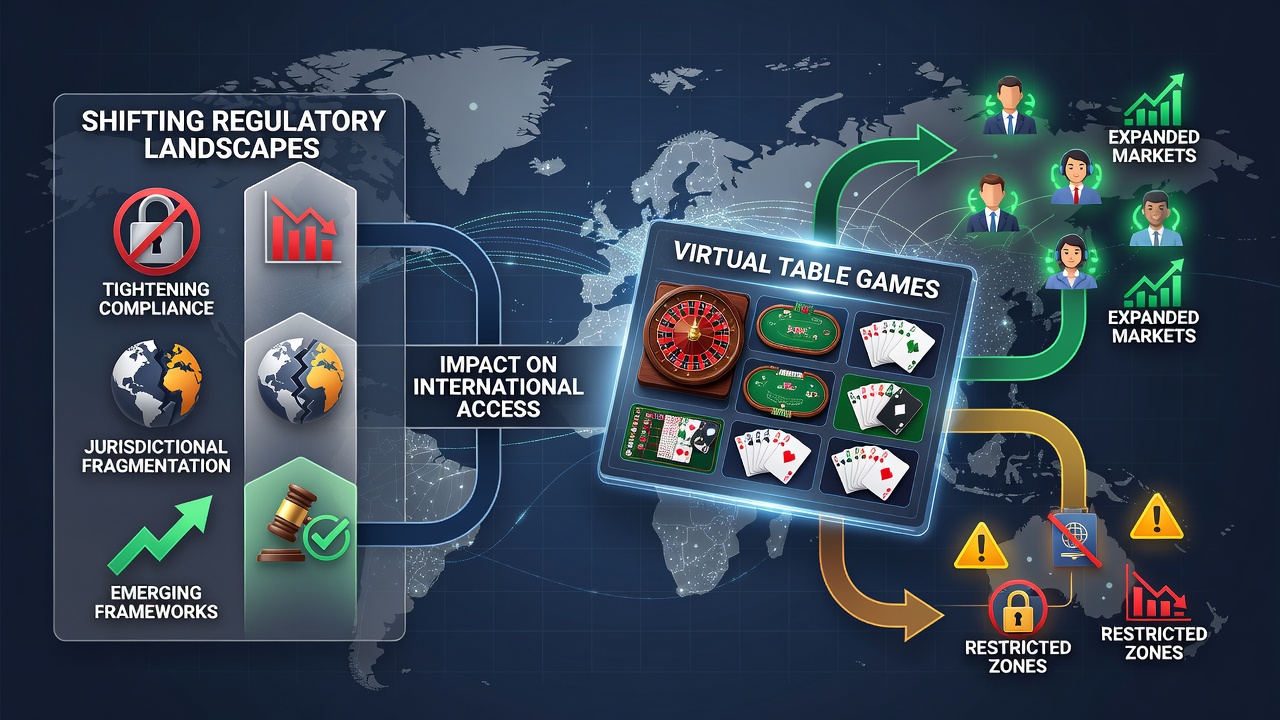
Operators adjusted business models accordingly, investing in compliance teams and technology for real-time reporting. One case involved a major platform that expanded into Latin American markets after securing approvals from emerging regulatory bodies there, resulting in broader user bases without violating home-country restrictions. Those monitoring trends note that payment gateways adapted too, integrating with local banking systems to handle deposits and withdrawals under new tax reporting obligations.
Technological Adaptations and Future Outlook
By August 2026, several jurisdictions plan to introduce blockchain-based verification tools for transaction transparency, and preliminary tests in select European and Asian pilot zones suggest these could streamline international access for verified operators. Industry associations have compiled data indicating that such innovations reduce fraud risks while allowing regulators to track activity across borders more effectively. Platforms that integrate these systems early gain advantages in markets where traditional banking links face limitations.
Academic reviews of regulatory impacts highlight how smaller operators sometimes exit certain territories rather than absorb compliance costs, concentrating market share among larger entities with resources for multi-license portfolios. Yet the overall volume of regulated virtual table game activity continues to rise as more governments recognize the revenue potential and establish dedicated oversight bodies.
Conclusion
Shifts in regulatory landscapes continue to redefine boundaries for virtual table games, with effects visible in licensing patterns, player verification processes, and operator strategies across continents. Evidence from government reports and sector analyses demonstrates that clear rules tend to support sustainable access, whereas fragmented approaches create uneven participation. As additional regions refine their positions heading into late 2026 and beyond, the interplay between local mandates and global user demand remains a central factor in how these games reach audiences worldwide.