Behavioral Patterns in Digital Betting Environments and Mobile Interfaces
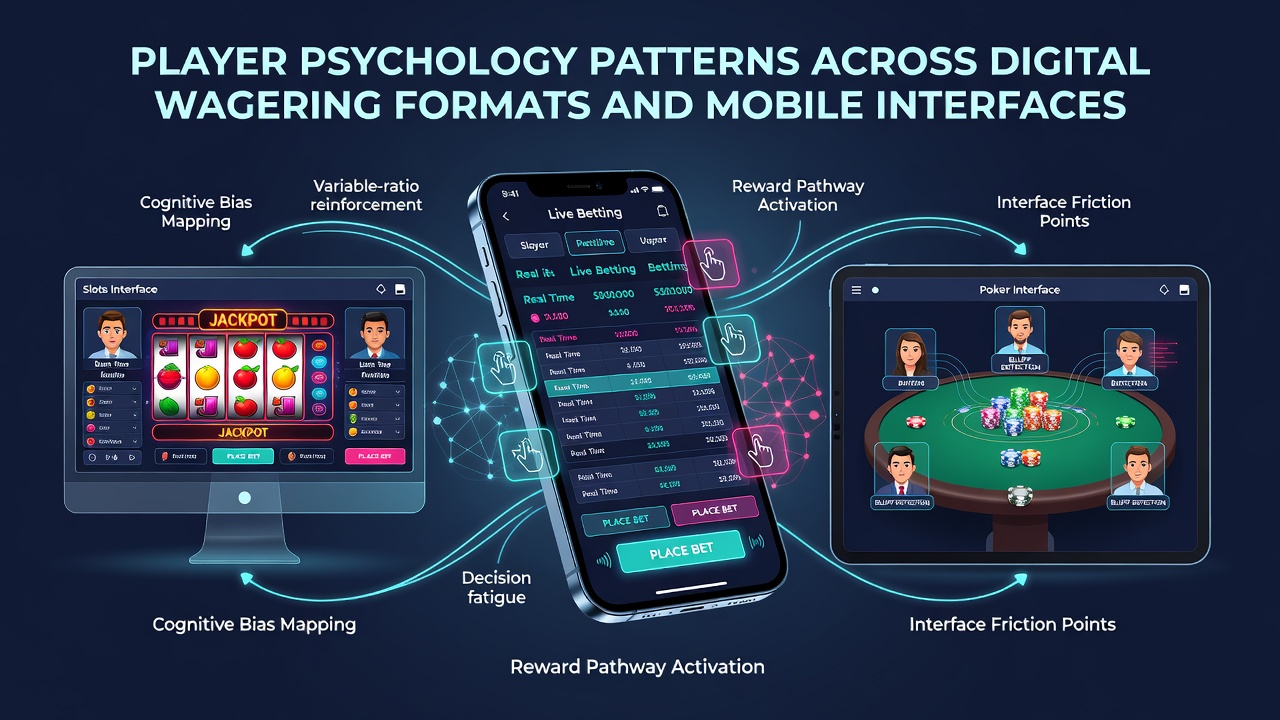
Player responses to digital wagering shift noticeably depending on whether the format involves slots, table games, sports betting, or live dealer experiences, and mobile interfaces add another layer of influence through touch controls, push notifications, and session tracking features.
Format-Specific Responses Among Players
Research from academic institutions shows that slot-style games often trigger shorter attention cycles and higher repetition rates because outcomes resolve quickly and visual feedback arrives immediately, whereas poker and blackjack formats draw longer sessions tied to decision-making and skill perception. Sports betting platforms, by contrast, align with event schedules that create anticipation gaps filled by mobile alerts and live odds updates.
Studies tracking user logs indicate that players switch between formats within single sessions more frequently on mobile devices than on desktop setups, with data revealing an average of three format changes per hour during peak evening periods in August 2026. This pattern emerges because mobile apps present multiple game lobbies on one screen, reducing the friction that once kept users within a single vertical.
Mobile Interface Elements and Engagement Cycles
Touch-based navigation, swipe gestures, and one-tap bet placement alter how players manage risk and reward compared with mouse-driven desktop versions. Observers note that smaller screen real estate encourages quicker stake adjustments and more frequent use of auto-play functions, particularly in regions where regulatory data from bodies such as the Australian Communications and Media Authority records elevated mobile usage rates.
Push notifications tied to bonus timers or live event starts create external prompts that interrupt natural break points, and session data collected by platform operators shows these alerts correlate with extended play windows. Color schemes, sound cues, and progress bars further shape perception of time spent, with warmer palettes linked to higher deposit frequency in controlled experiments reported by university research groups.
Cross-Format Comparisons and Data Trends
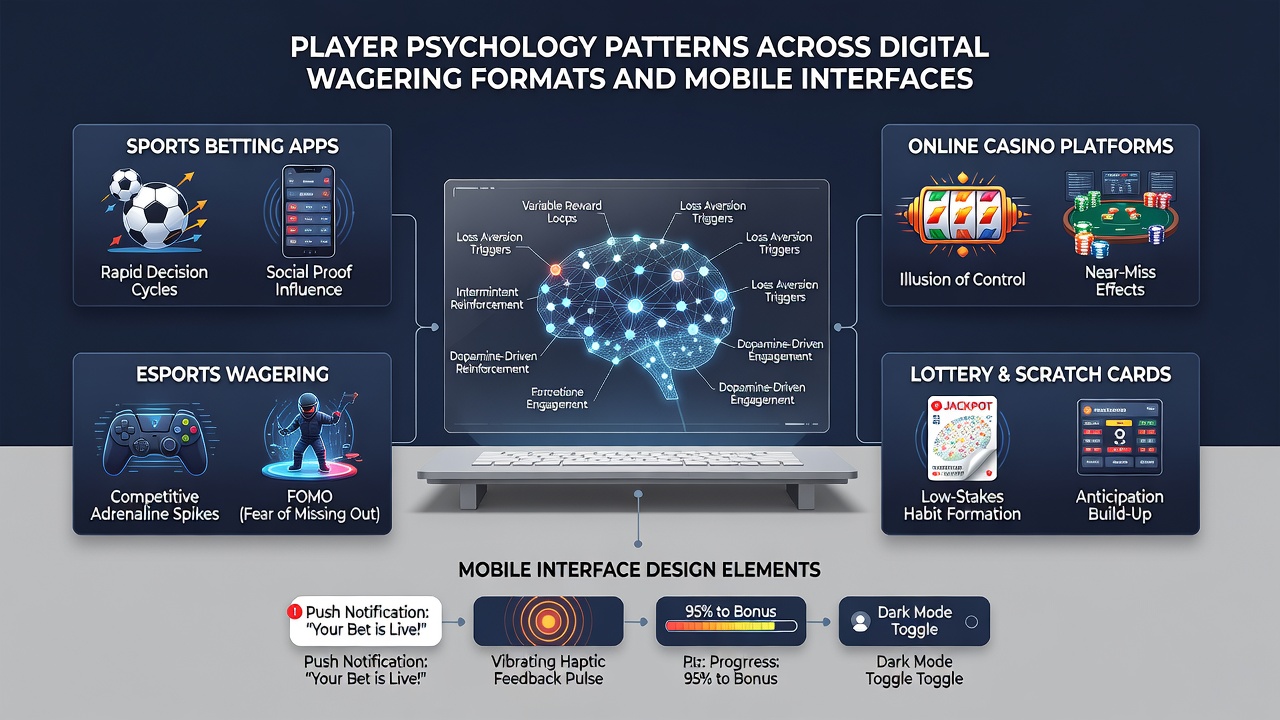
Comparative analyses published in peer-reviewed journals demonstrate that psychological markers such as loss-chasing behavior appear at different rates across formats, with sports bettors showing elevated persistence after near-miss outcomes while slot players respond more to visual streaks. Mobile interfaces amplify these tendencies because real-time statistics and leaderboards remain visible without requiring menu navigation.
Figures released by the National Council on Problem Gambling in the United States highlight that mobile-only users account for a growing share of self-exclusion requests, suggesting that constant access influences self-regulation strategies. Meanwhile, Canadian provincial reports from 2025-2026 document similar shifts, noting that tablet and smartphone sessions average longer durations than computer-based ones once players engage with multiple formats in succession.
Platform analytics further reveal that reward structures embedded in loyalty programs interact with mobile convenience features, leading to clustered betting activity around daily login bonuses rather than isolated game sessions. Those who study these logs observe that players who begin with low-stakes mobile play often migrate toward higher-variance formats once familiar with the interface.
Regulatory and Industry Observations
Industry associations such as the International Association of Gaming Regulators track how interface design choices affect player behavior across jurisdictions, and findings indicate that mandatory cooling-off prompts reduce rapid deposit sequences more effectively on mobile than on desktop. These prompts appear after set time or spend thresholds, and compliance data shows measurable drops in follow-on transactions when the feature activates.
Academic reviews of transaction patterns also connect mobile wallet integration with smaller but more frequent deposits, a shift that spreads financial exposure across many micro-transactions rather than fewer large ones. Researchers examining these trends emphasize the role of biometric login methods, which lower entry barriers and thereby shorten the interval between intent and action.
Conclusion
Patterns observed across digital wagering formats and mobile interfaces continue to evolve as device capabilities and regulatory frameworks adapt, with data from multiple regions confirming that format choice, interface friction, and notification systems each exert measurable influence on session length, format switching, and deposit behavior. Continued collection of anonymized usage metrics allows researchers and operators to refine responsible-play tools without restricting access.